Jim’s Intro to the Captain
Hi folks, Jim here, the only commentator who once mistook the “C” on a hockey jersey for a player’s initials.
What is a captain?
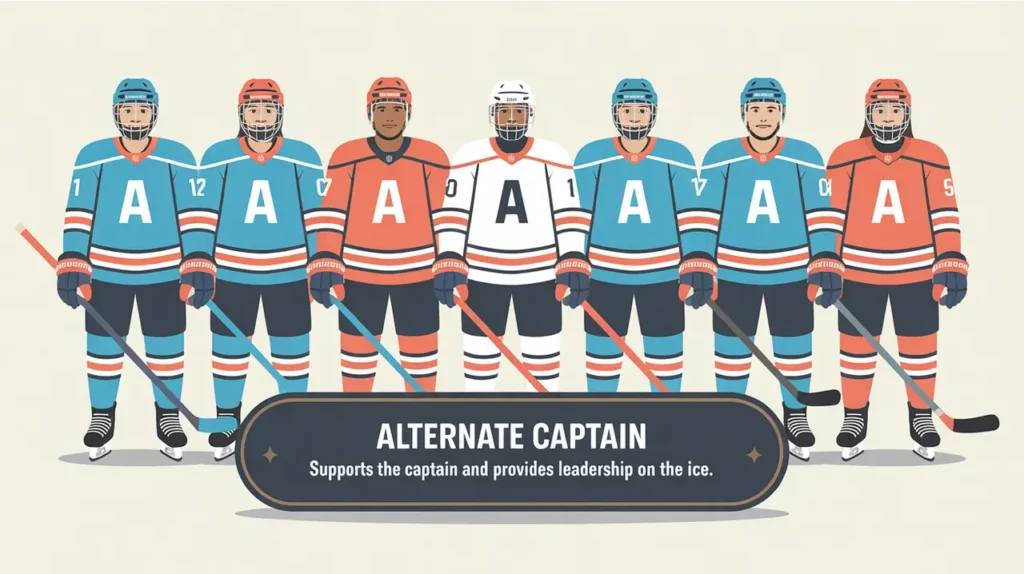
The captain is the official on-ice leader of the team, identified by the “C” on their jersey. They’re the primary communicator with referees, the emotional anchor in the locker room, and the standard-bearer for effort and attitude. While assistant captains support the leadership group, the captain carries the symbolic and practical responsibility of representing the team’s identity on and off the ice.
How does it work?
The captain’s role blends formal authority with informal influence:
Communication with Officials
- Captains are the only players allowed to speak to referees about rule interpretations or calls (in most leagues).
- They serve as the team’s voice in discussions, keeping interactions respectful and productive.
Locker Room Leadership
- Captains set the tone in practices, games, and off-ice activities.
- They rally the team after tough losses, keep morale high, and push teammates to stay accountable.
On-Ice Presence
- Captains lead by example through consistent effort, smart play, and emotional control.
- They’re often the first to block a shot, backcheck hard, or step up in key moments.
- Their composure under pressure steadies everyone else.
Mentorship and Culture
- Captains support younger players, helping them adjust to systems, expectations, and team culture.
- They reinforce values the team wants to live by, whether that’s work ethic, discipline, or resilience.
Public Face of the Team
- Captains often represent the team in media, community events, and ceremonial roles.
- Their words and demeanor shape the team’s image.
Common Situations Involving Captains
- Questioning or Clarifying Calls: Skating over to talk to officials after a controversial whistle.
- Big Momentum Swings: Delivering a key shift, hit, block, or goal when the team needs a spark.
- Locker Room Speeches: Refocusing the team before a crucial period or game.
- Guiding Rookies: Helping young players find their footing on and off the ice.
- Tough Losses or Controversies: Stepping up to handle media and shield teammates.
How do you make good decisions with it?
Good captains rely on timing, emotional intelligence, and example-setting.
- Pick Your Spots with Refs: Speak clearly and calmly, not after every whistle.
- Lead by Example First: Actions on the ice speak louder than speeches.
- Read the Room: Know when your team needs fire, calm, or quiet confidence.
- Back Your Teammates: Defend them when needed but hold them accountable when appropriate.
- Bridge Between Coaches and Players: Communicate honestly in both directions.
How do you master it?
Mastering the captain’s role is about trust and respect. Great captains earn their teammates’ belief through consistency, accountability, and empathy. They balance intensity with approachability. Many develop over years, learning how to motivate different personalities, keep their composure, and lead in both triumph and adversity.
What does it look like when done right?
A strong captain steps onto the ice and you can feel the team settle. They win a key faceoff, block a critical shot, or make a momentum-shifting play. After a controversial call, they calmly address the ref while teammates focus on the next shift. In the locker room, their words carry weight because they’re backed by action. Everyone on the bench knows exactly who they’re following.
Commentator’s Corner
Jim’s Take
The best captains carry the room by how they play, how they listen, and how they show up when it matters.
Parent Tip
If your child wears the “C,” help them focus on responsibility, not hierarchy. Leadership is about lifting others, not standing above them.
Player Tip
If you’re a captain, remember: your standard is the team’s standard. Every shift, every interaction, every word matters.
A Final Thought
A captain’s role is about more than a letter on the jersey. It’s about presence, trust, and influence. When done right, the captain becomes the heartbeat of the team, steady, inspiring, and deeply respected.