Jim’s Intro to the Goalie
Hi folks, Jim here, the only commentator who used to think that saved emails were emails that had no goals.
What is the goalie?
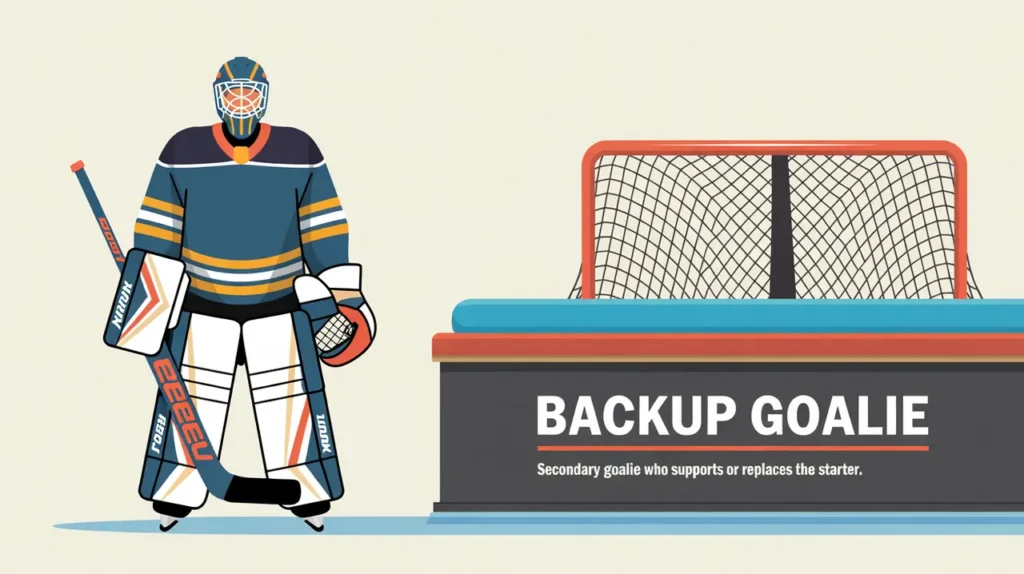
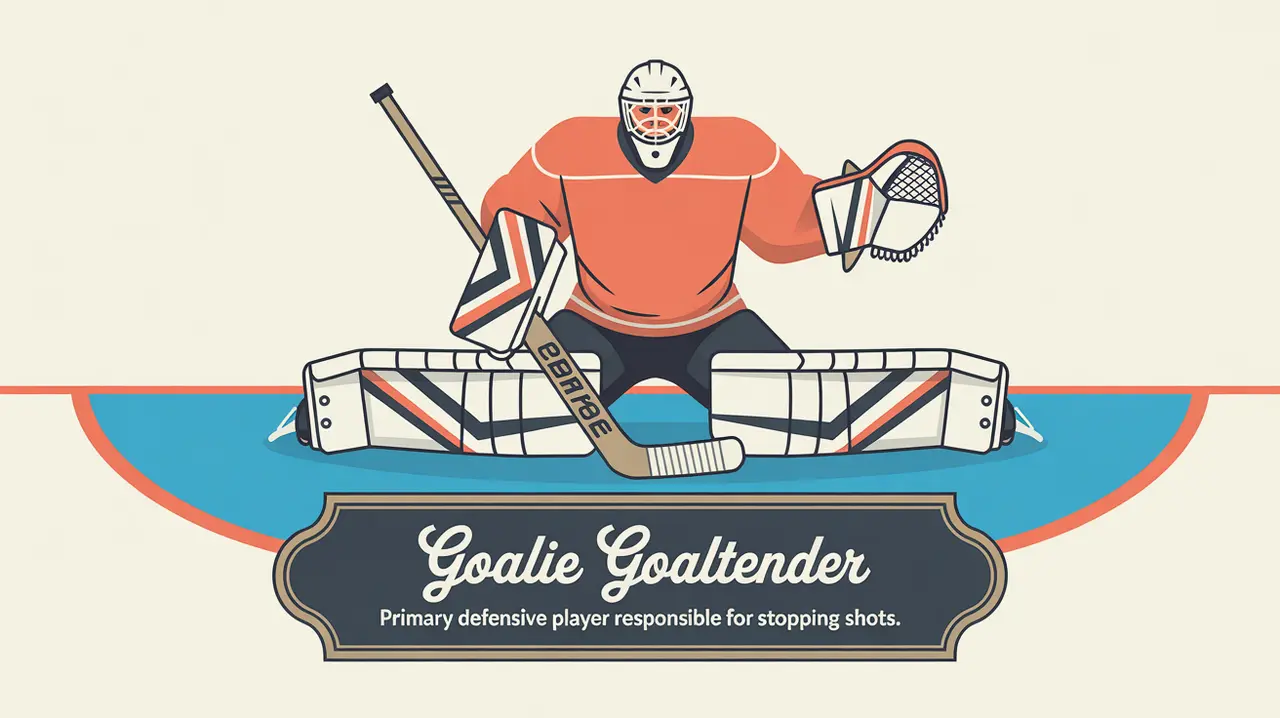
The goalie (or goaltender) is the last line of defense, stationed in or near the crease to prevent the puck from entering the net. Unlike other players, the goalie’s primary job isn’t to score or assist but to stop everything the opponent throws their way. They wear specialized equipment, use different techniques, and follow rules tailored to their role.
A great goalie sets the tone for the entire team.
How does it work?
Goalies have a distinct set of responsibilities and tools that separate them from skaters:
Positioning:
- Goalies must track the puck constantly and position themselves so they’re square to the shooter.
- Good positioning reduces shooting angles and forces opponents into low-percentage chances.
Techniques:
- Butterfly: Dropping to the knees with pads flared to block low shots.
- Stand-up or Hybrid: Combining upright stances with quick drops.
- Challenging the Shooter: Stepping out of the crease to cut down angles.
- Recoveries: Quick pushes, slides, and shuffles to stay centered on rebounds.
Equipment:
- Larger pads, blocker, glove, chest protector, and a reinforced mask.
- A goalie stick designed for blocking and controlling rebounds, not shooting.
Rule Exceptions:
- Goalies can freeze the puck in their crease to stop play.
- They can’t play the puck beyond the designated trapezoid behind the net in some leagues.
- They can’t cross center ice or participate like skaters.
Mental Game:
Goalies handle relentless pressure. Every goal against is visible, every save is critical.
Common Situations Involving Goalies
- Breakaways and Shootouts: One-on-one situations that test reflexes and nerves.
- Odd-Man Rushes: Goalies rely on positioning to face high-quality scoring chances.
- Rebounds and Scrambles: Quick recoveries and awareness are essential.
- Screens and Deflections: Goalies must fight to track pucks through traffic.
- Power Plays and Penalty Kills: Goalies anchor special teams, often facing set plays and quick puck movement.
How do you make good decisions with it?
Good goaltending decisions are about anticipation, positioning, and control.
- Stay Square to the Puck: Always angle your body to the shooter, not the net.
- Read the Play: Anticipate passes and shooting lanes to stay ahead of attackers.
- Manage Rebounds: Control or direct rebounds to low-danger areas.
- Communicate with Teammates: Goalies often act as on-ice quarterbacks, directing defensive traffic.
- Know When to Freeze: Stopping play strategically can calm momentum and reset positioning.
How do you master it?
Mastering goaltending takes years of repetition and mental resilience. Elite goalies blend technical skill with supreme focus. They develop efficient movement patterns, razor-sharp reads, and emotional steadiness. Off-ice, they study video, track tendencies, and refine their craft with specialized coaches.
What does it look like when done right?
A great goalie makes difficult saves look effortless. They glide across the crease, square up perfectly, and absorb shots without wild flailing. Their calm presence stabilizes the entire team. On a breakaway, they stay patient, read the shooter’s hands, and flash the glove or close the five-hole at the last moment.
Commentator’s Corner
Jim’s Take
Goalies are equal parts acrobat, chess master, and wall. When they’re on their game, it’s like watching a magician make pucks disappear.
Parent Tip
If your player wants to play goalie, support both the mental and physical sides. Goalies need encouragement through hot streaks and tough nights alike.
Player Tip
If you’re playing goalie, focus on positioning first. Flashy saves are fun, but sound fundamentals win games.
A Final Thought
Goalies can shape the game rather than merely react to it. A hot goalie can steal a win, shift a series, or silence a crowd. It’s a position of pressure and glory, and when mastered, it turns defense into an art form.