Jim’s Intro to the Blue Line
Hi folks, Jim here, the only commentator who was once asked what the blue line is, and answered, “I think you can catch it to Eastern Market in Washington DC.”
What is the blue line?
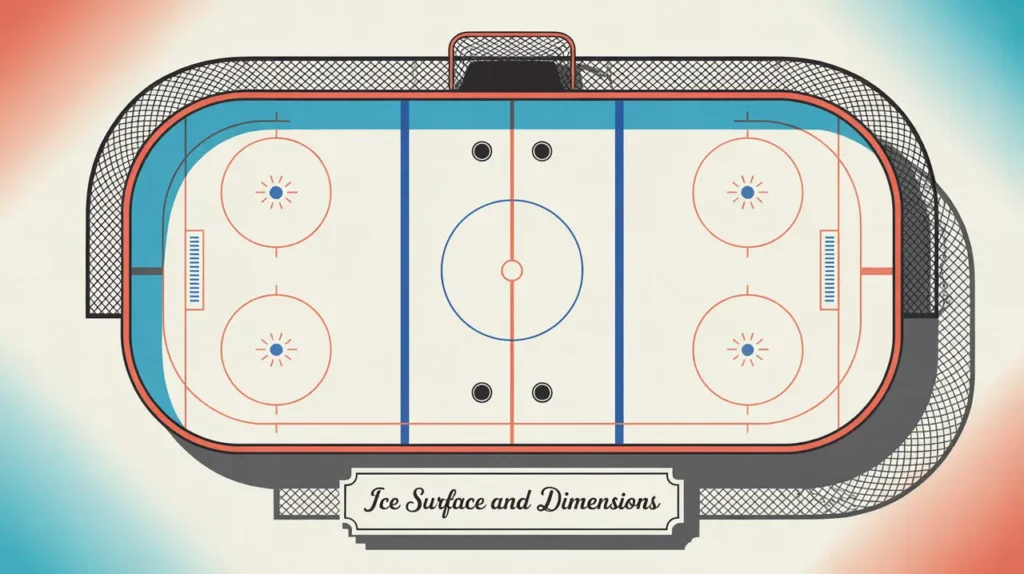
The two blue lines divide the rink into three zones: defensive, neutral, and offensive. Each line stretches 85 feet across the width of the ice, positioned 75 feet from each end board. These lines aren’t just decoration. They define offside rules, shape zone entries and exits, and set the boundaries for how teams attack and defend. Every controlled rush crosses them. Every defensive stand holds them.
How does it work?
The blue lines control the flow and structure of play.
- Offside Rule: Players cannot enter the offensive zone ahead of the puck. The puck must fully cross the blue line first.
- Zone Definition: Crossing the blue line with the puck creates the offensive zone; exiting it clears the zone.
- Regrouping: Teams often pull back across the blue line to reset offensive structure.
- Power Play and Point Play: Defensemen often position themselves along the blue line to take shots, distribute passes, and keep the puck in the zone.
- Defensive Gap Control: Defenders use the blue line as a pressure point, challenging attackers as they cross.
These lines shape where turnovers happen, how space opens, and when teams can legally press forward.
How do you make good decisions with it?
Good blue line decisions come down to timing, positioning, and puck control.
- On Offense:
- Time entries so the puck crosses first to avoid offsides.
- Keep the puck in the zone under pressure by strong stick work and smart pinches.
- Use the line to spread out defenders on power plays.
- On Defense:
- Challenge puck carriers at the line to disrupt controlled entries.
- Hold the line to prevent zone exits during sustained pressure.
- Watch for opponents trying to regroup or stretch play across the blue.
How do you master it?
Mastering the blue line takes repetition and game sense. Players learn to read timing on entries, hold the line without overcommitting, and use the boards effectively for keeping pucks in. Defensemen, in particular, develop footwork and stick positioning to maintain pressure while staying balanced at the line.
What does it look like when done right?
Clean zone entries glide over the blue line with puck first and teammates in perfect sync. Defenders hold the line calmly, keeping the play alive without risky lunges. On special teams, puck movement along the blue line is crisp and controlled, opening up shooting lanes and keeping defenders guessing.
Commentator’s Corner
Jim’s Take
I’ve seen more plays die at the blue line than anywhere else on the rink. A mistimed step and suddenly the rush is heading the other way.
Parent Tip
Teach players to watch the puck on entries, not just their feet. Understanding offside timing early prevents endless whistles.
Player Tip
Practice holding the line in drills. Work on timing zone entries and learn to keep pucks in under pressure without overextending.
A Final Thought
The blue line is where momentum pivots. Get it right, and you keep the attack alive or shut it down cold. Get it wrong, and the play turns in an instant.