Jim’s Intro to Learn to Skate / Learn to Play
Hi folks, Jim here, the only commentator who once joined a Learn to Skate session thinking I’d blend in and was immediately outpaced by a four-year-old doing tiny snowplow stops.
What is Learn to Skate / Learn to Play?
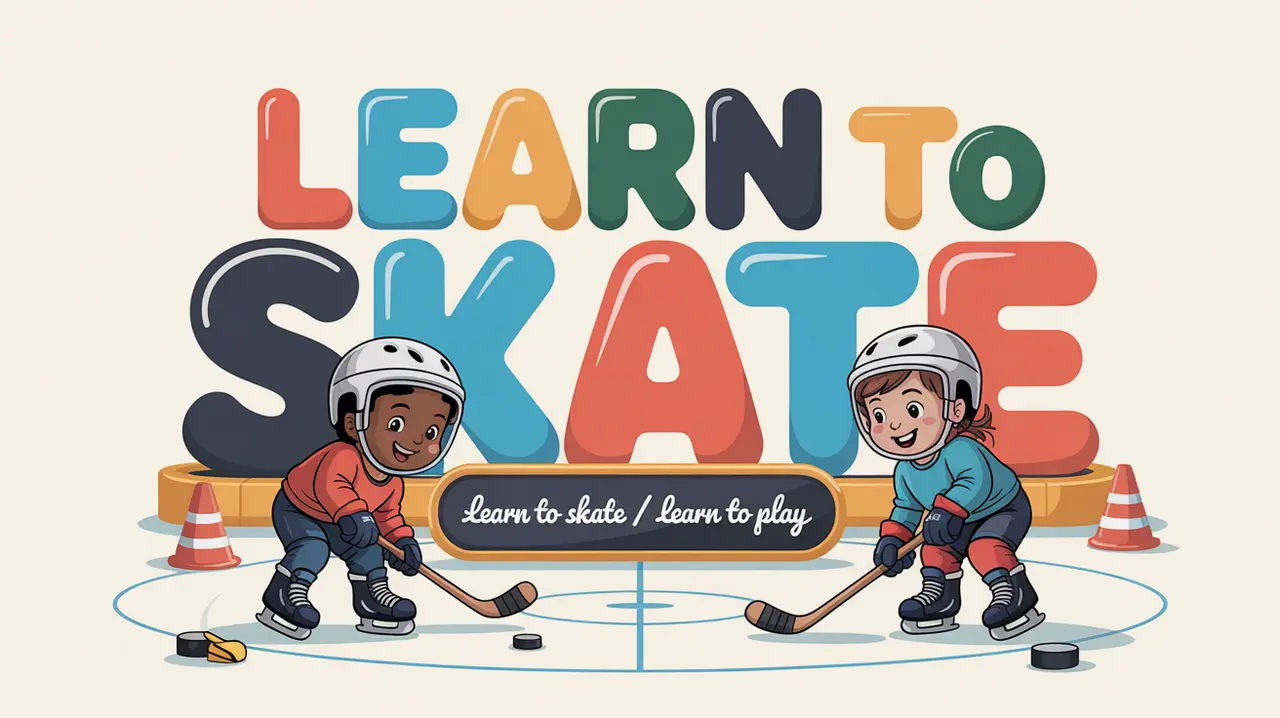
Learn to Skate and Learn to Play are introductory programs designed to teach children (and sometimes adults) the basic skills of skating and hockey in a fun, structured environment.
Typically aimed at ages 3 to 8, these programs focus on building confidence, balance, and fundamental movement, gradually introducing sticks and pucks once skating skills are stable. It’s not about competition yet. It’s about learning how to move, fall, get up, and enjoy being on the ice.
How does it work?
Learn to Skate usually involves group lessons led by certified instructors, often using progressive skill stations. Players learn basics like gliding, stopping, turning, and skating backward.
Learn to Play builds on this by introducing sticks, pucks, and hockey-specific movements. Sessions are usually shorter, playful, and structured around limited-area games, drills, and challenges. Many rinks run these programs year-round, often linking directly to local youth hockey clubs.
Common Situations at This Level
- Falling. A Lot. Learning how to fall safely and get up is part of the fun.
- Tiny First Goals: That magical moment when a puck trickles into a net and everyone cheers like it’s the Stanley Cup.
- Gear Challenges: Parents wrestling with shoulder pads and skates at 6:30 a.m.
- New Friendships: Players forming their first hockey bonds on wobbly legs.
- Learning to Love the Ice: The focus is enjoyment, not performance.
How do you make good decisions at this level?
- Prioritize Fun and Fundamentals: Skill and confidence grow best in a low-pressure environment.
- Choose Programs with Good Instructors: Certified coaches who make skating enjoyable matter more than fancy uniforms.
- Don’t Rush the Timeline: Every player progresses at a different pace.
- Invest in Proper Fitting Gear: Comfort and safety build confidence.
- Keep Expectations Realistic: This is the starting line, not a race.
How do you master this level?
Mastery here means developing comfort and joy on the ice. Skaters who thrive at this stage can glide smoothly, stop confidently, fall and recover easily, and handle a stick without losing balance. For parents, it’s about establishing good routines and a positive association with the rink.
What does it look like when done right?
When Learn to Skate and Learn to Play are done well, the rink feels like a playground. Coaches are encouraging, players laugh through the spills, and families start to feel part of the hockey community. Players leave the ice tired, happy, and eager to come back.
Commentator’s Corner
Jim’s Take
Learn to Skate is where legends begin… and also where parents discover just how tricky tying tiny skates can be.
Parent Tip
Arrive early. Getting gear on a new skater always takes longer than you think.
Player Tip
Falling isn’t failing. Every great player has spent plenty of time on the ice looking up at the ceiling.
A Final Thought
Learn to Skate and Learn to Play are the bedrock of the hockey journey, blending skill-building with joy, patience, and community. When approached with the right mindset, this level sets the tone for a lifetime of skating, teamwork, and love for the game.