Jim’s Intro to Shoulder Pads
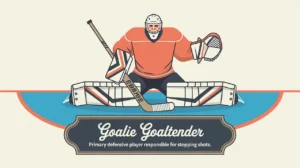
Hi folks, Jim here, the only commentator who once confused shoulder pads and goalie pads. My outfit made both my legs and upper body look super weird.
What are shoulder pads?
Shoulder pads protect the upper body from impacts, collisions, and flying pucks. They cover the shoulders, chest, back, and upper ribs, creating a shield that absorbs and disperses force. Modern pads are lighter and more flexible than older models, allowing players to move freely while staying protected. A good pair fits snugly to the body, moving with the player rather than shifting around.
How do they work?
Shoulder pads use a layered structure to protect while allowing mobility.
- Shoulder Caps: Hard shells that sit over the shoulder joints to absorb direct hits.
- Chest and Back Panels: Foam and plastic inserts spread impact across a wider area, protecting vital organs and the spine.
- Biceps Guards: Protect the upper arms from slashes and contact.
- Straps and Adjustments: Keep everything tight and properly aligned.
When fitted correctly, the pads move with the torso, so protection stays where it’s needed during checks, blocked shots, and battles in front of the net.
How do you make good decisions with them?
Fit and mobility determine how well shoulder pads perform.
- Fit: Pads should cover the shoulders and chest without riding up into the neck or hanging too low.
- Mobility: Arms should move freely without feeling restricted.
- Protection Level: Heavier pads offer more protection for contact-heavy play. Lighter pads favor mobility for skilled players.
- Strap System: Secure straps keep pads stable. Loose straps lead to shifting during play.
- Condition: Check for cracked caps or compressed foam. Replace pads when their structure breaks down.
How do you master them?
Mastery is about comfort and consistency. Players learn how their pads move with their body, adjusting straps and fit until the pads feel natural. Over time, they stop noticing them, which is exactly what good protection should allow.
What does it look like when done right?
Properly fitted shoulder pads stay in place through every motion. Players skate, shoot, and absorb contact without tugging or readjusting. The pads protect without restricting, letting the player focus entirely on the game.
Commentator’s Corner
Jim’s Take
I’ve seen players skate with loose shoulder straps flapping like flags in the wind. Your shoulders aren’t a Rubik’s Cube. Tighten up!
Parent Tip
Check fit with arms raised and rotated. Pads should stay centered without gaps or shifting. Avoid pads that look oversized “to grow into.” Poor fit compromises both safety and mobility.
Player Tip
Adjust straps each time you gear up. A consistent fit means consistent protection and freedom of movement.
A Final Thought
Shoulder pads don’t make the highlight reel, but they make sure you’re still on the ice to create it. When they fit right, you forget they’re there, which is exactly the point.