Jim’s Intro to the Catcher
Hi folks, Jim here, the only commentator who once tried to snag a puck with a catcher and caught my own ear.
What is the catcher?
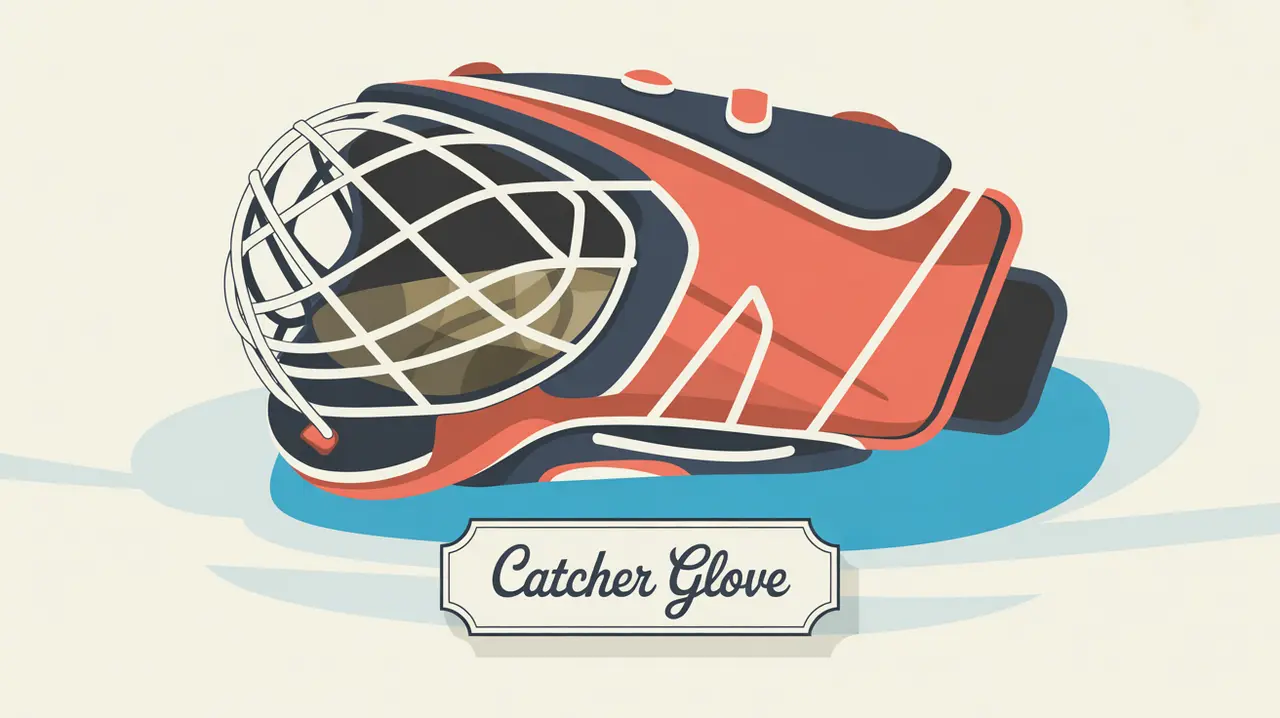
The catcher, also called the glove, is worn on the goalie’s non-stick hand. It functions like a baseball mitt but is built to withstand blistering shots and control rebounds. Its primary job is to catch pucks cleanly, whether on direct shots, deflections, or rebounds. A good catcher fits securely, opens easily, and gives the goalie both a safety net and a weapon for shutting down plays.
How does it work?
The catcher combines a deep pocket, structured padding, and a flexible break to catch and secure pucks on impact.
- Palm and Finger Protection: Thick padding absorbs force from high-speed shots.
- Pocket: A webbed or laced section that traps the puck securely when it lands.
- Break Angle: Determines how the glove opens and closes; different angles suit different hand preferences.
- Cuff: Protects the wrist and forearm while allowing mobility.
- Backhand Strapping: Keeps the glove snug and responsive.
When fitted and broken in properly, the catcher opens like a natural extension of the hand and closes tightly around incoming pucks.
How do you make good decisions with it?
Choosing the right catcher involves fit, closure feel, and pocket structure.
- Fit: Should feel snug without pinching. A loose glove makes for sloppy catches.
- Break Angle: A 60-degree break mimics a baseball glove, while 90-degree or more upright breaks suit different catching styles.
- Pocket Depth: Deeper pockets secure the puck better; shallower pockets may offer quicker releases for passing.
- Closure Feel: Some gloves close easily out of the box; others need a full break-in period.
- Condition: Check for loose lacing, worn palms, or collapsing padding, which affect both safety and performance.
How do you master it?
Goalies master their catcher through repetition and trust. Breaking in the glove is key. It involves softening the palm and pocket so it opens and closes smoothly. They practice tracking pucks into the glove, catching cleanly without juggling rebounds, and freezing the puck under pressure. Over time, the glove becomes second nature, opening and snapping shut on reflex.
What does it look like when done right?
A goalie with a well-fitted, broken-in catcher makes clean, quiet saves. Pucks disappear into the pocket with a satisfying snap. There’s no fumbling or fighting the glove. It moves fluidly with the hand, sealing plays before shooters can react.
Commentator’s Corner
Jim’s Take
I’ve seen goalies with stiff catchers turn routine glove saves into juggling acts worthy of a circus. Break it in, and suddenly every glove save looks effortless.
Parent Tip
When buying a catcher, pay close attention to closure and break angle. Have the goalie try catching motions to see what feels natural. Break it in gradually and check lacing regularly.
Player Tip
Spend time in practice catching everything, including shots, lobs, and quick passes. The more comfortable the glove feels, the faster your reflexes will click in.
A Final Thought
A clean glove save stops the puck and the momentum. When a catcher fits right and feels natural, it can turn chaos into control with one snap.