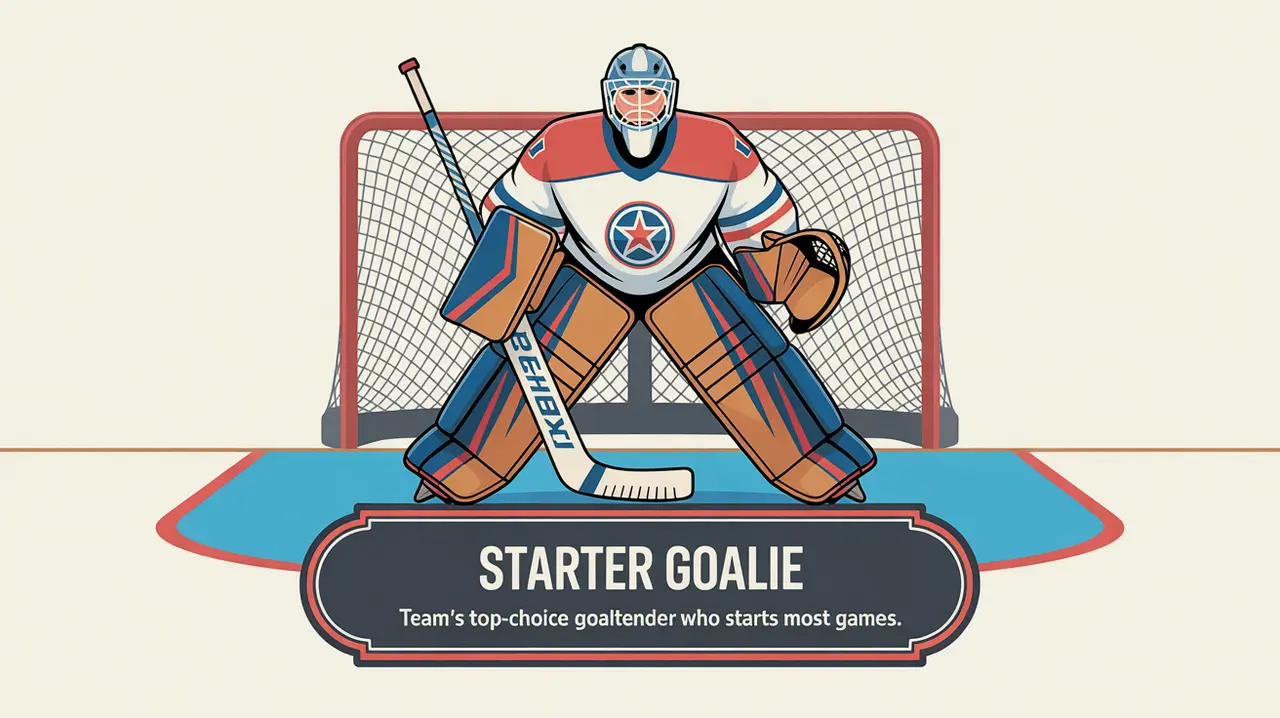
Jim’s Intro to the Starter Goalie
Hi folks, Jim here, the only commentator who couldn’t get a gig as a starter goalie or backup goalie in a recreational league, and had to settle for a “you-will-never-play” goalie role.
What is the starter goalie?
The starter goalie is the primary goaltender on a team, the one expected to play the majority of games and anchor the team’s defensive structure. They’re not just another player in the rotation. They’re the backbone, the tone-setter, and often the emotional heartbeat of the lineup. The starter is trusted to face top competition night after night and keep the team in games, no matter the circumstances.
How does it work?
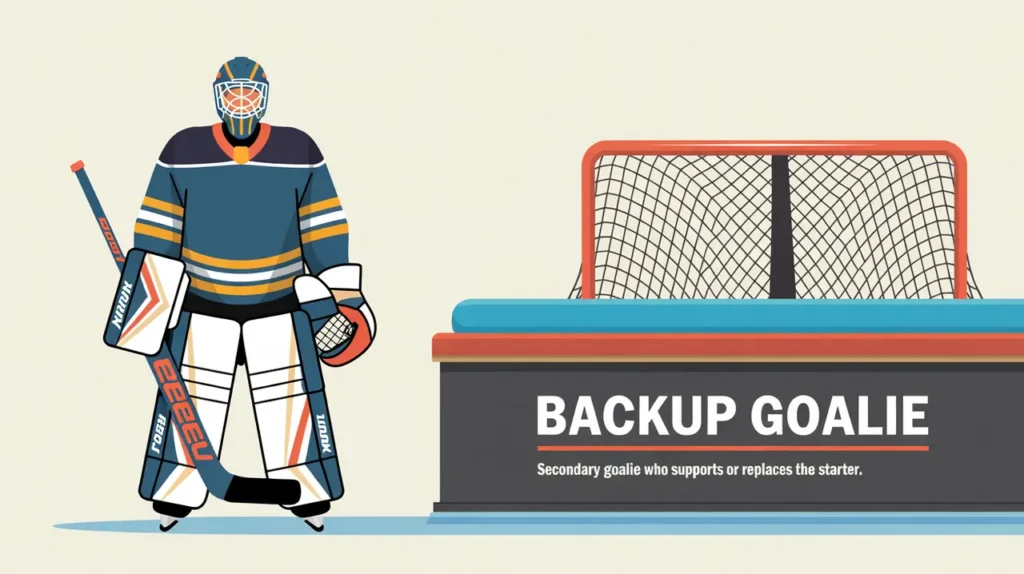
Teams typically carry two goalies: a starter and a backup. The starter’s role involves:
Regular Starts
- Playing the bulk of scheduled games, including high-stakes matchups and key stretches of the season.
- Expected to maintain consistent performance over long stretches, including road trips and back-to-backs.
Defining the Game Plan
- Teams often build defensive systems around their starter’s strengths. For example, a team might play aggressively if their starter excels at handling breakaways.
Managing Workload
- Coaches strategically rest starters during lighter games, back-to-backs, or against weaker opponents to keep them sharp for critical matchups.
- In playoffs or tournaments, starters often play every game unless injured or significantly struggling.
Leadership Role
- Starters often act as quiet leaders. Their composure or shakiness ripples through the bench. A confident starter boosts team morale; a rattled one can deflate it quickly.
Common Situations Involving Starter Goalies
- Season Openers and Playoffs: The starter is almost always between the pipes when stakes are highest.
- Key Rivalry Games: Starters are chosen for their ability to handle pressure and steal wins.
- Hot Streaks: When a starter gets locked in, coaches ride the momentum for as many games as possible.
- Tournament Play: Starters can play multiple games in consecutive days if endurance and performance hold up.
How do you make good decisions with it?
Good decisions around starter usage revolve around timing, strategy, and management.
- For Coaches:
- Choose starts wisely to balance rest and rhythm.
- Know when to let your starter battle through adversity and when to give them a break.
- Build defensive systems that complement their style.
- For Goalies:
- Manage energy across long seasons or tournaments.
- Stay mentally steady; one bad night doesn’t define the role.
- Communicate with coaches and trainers about health and readiness.
How do you master it?
Mastering the starter role requires consistency, resilience, and leadership. It’s not just about making highlight saves. It’s about performing night after night, handling pressure, and rebounding quickly from tough outings. Elite starters develop efficient routines, mental focus techniques, and trust with their team. They read opponents well and adapt their style across different game situations.
What does it look like when done right?
A great starter goalie looks calm and commanding. They step on the ice and immediately stabilize the team. Over a season, their presence is a steady drumbeat: reliable saves, quick recoveries, smart puck management. When playoffs roll around, they rise to the occasion, turning critical games into showcases of poise and precision.
Commentator’s Corner
Jim’s Take
The true starter isn’t just stopping pucks. They’re shaping the whole vibe of the team. When they’re locked in, even the sound of the puck hitting their pads feels reassuring.
Parent Tip
If your child is a starter, emphasize rest, mental preparation, and not tying their identity to every single game result. Consistency grows from steadiness, not perfection.
Player Tip
Being the starter isn’t about one save. It’s about owning the crease over time. Develop routines that keep you sharp through highs and lows.
A Final Thought
The starter goalie role is a test of endurance, skill, and mindset. It’s about setting the standard every game. When done well, the starter becomes the quiet anchor that gives a team its swagger.