Jim’s Intro to Defensive Pairings
Hi folks, Jim here, the only commentator who once suggested that “defensive pairings” was a form of couples hockey.
What are defensive pairings?
Defensive pairings are two defensemen who play together as a unit, usually consisting of a left and right defenseman. Teams typically have three pairings that rotate throughout the game. Pairings are chosen for their complementary skills, communication, and ability to work together under pressure.
How do they work?
Defensive pairings rely on balance, positioning, and chemistry:
- Complementary Roles: Often one defender plays a more offensive role while the other focuses on shutdown responsibilities.
- Handedness Matters: Left 6right combinations help with cleaner breakouts and better coverage angles.
- Zone Responsibilities: Each defender covers their side of the ice but supports the other when plays break down.
- Breakouts and Transitions: Pairings work together to retrieve pucks, make outlet passes, and start the attack efficiently.
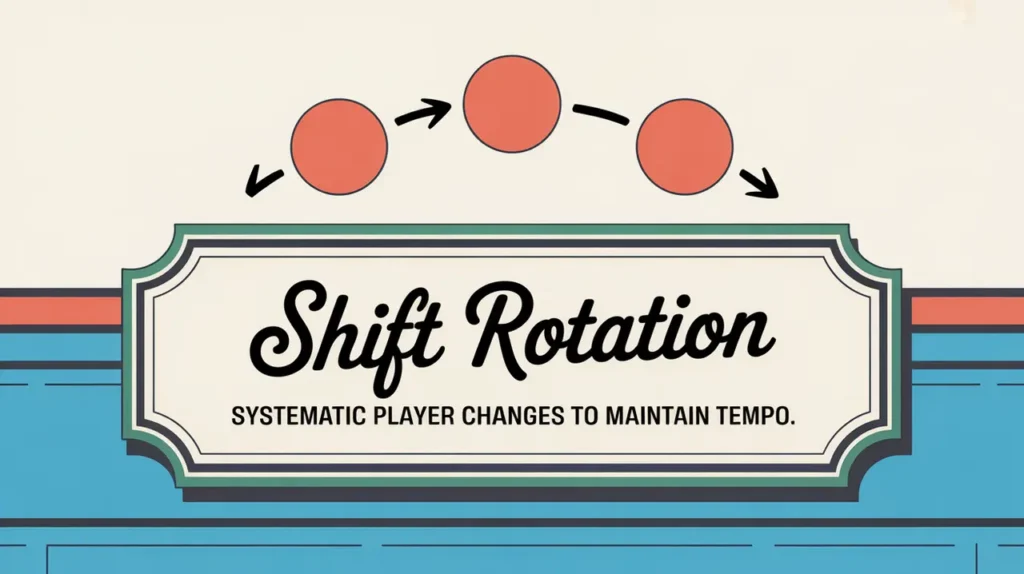
- Shift Rotation: Pairings rotate regularly, matching up against opponents’ lines strategically. Top pairings log heavy minutes against top threats.
How do you make good decisions with them?
- Match Strengths: Pair puck movers with stay-at-home types to balance risk and stability.
- Read Your Partner: Know when to step up, when to cover, and when to support.
- Communicate Constantly: Quick decisions between partners prevent breakdowns.
- Adjust to Opponents: Defensive pairings often shift based on matchups and game flow.
- Trust the System: Stay within structure so both defenders aren’t chasing the same play.
How do you master them?
Mastering defensive pairings requires communication, awareness, and shared instincts. Pairs that spend time together learn each other’s tendencies, cover for each other seamlessly, and move as a single unit instead of two separate players.
What does it look like when done right?
Great defensive pairings look synchronized and steady. They close gaps together, support puck retrievals, and turn defensive stands into smooth transitions up ice without panic.
Commentator’s Corner
Jim’s Take
A great defensive pair is like a well-trained police duo. One takes the lead, the other covers the angle, and nothing slips through the cracks.
Parent Tip
Encourage players to focus on communication and positioning as much as stick work. A strong pairing starts with trust.
Player Tip
Know your partner’s style. If they jump into the rush, you hold back. If they hold the blue line, you back them up. Think like a duo.
A Final Thought
Defensive pairings are the anchors of team structure. Mastering them means turning defense into quiet, reliable strength that wins games.