Jim’s Intro to Pants (Breezers)
Hi folks, Jim here, the only commentator who made he mistake of trying to iron his breezers to make them look pristine.
What are pants (breezers)?
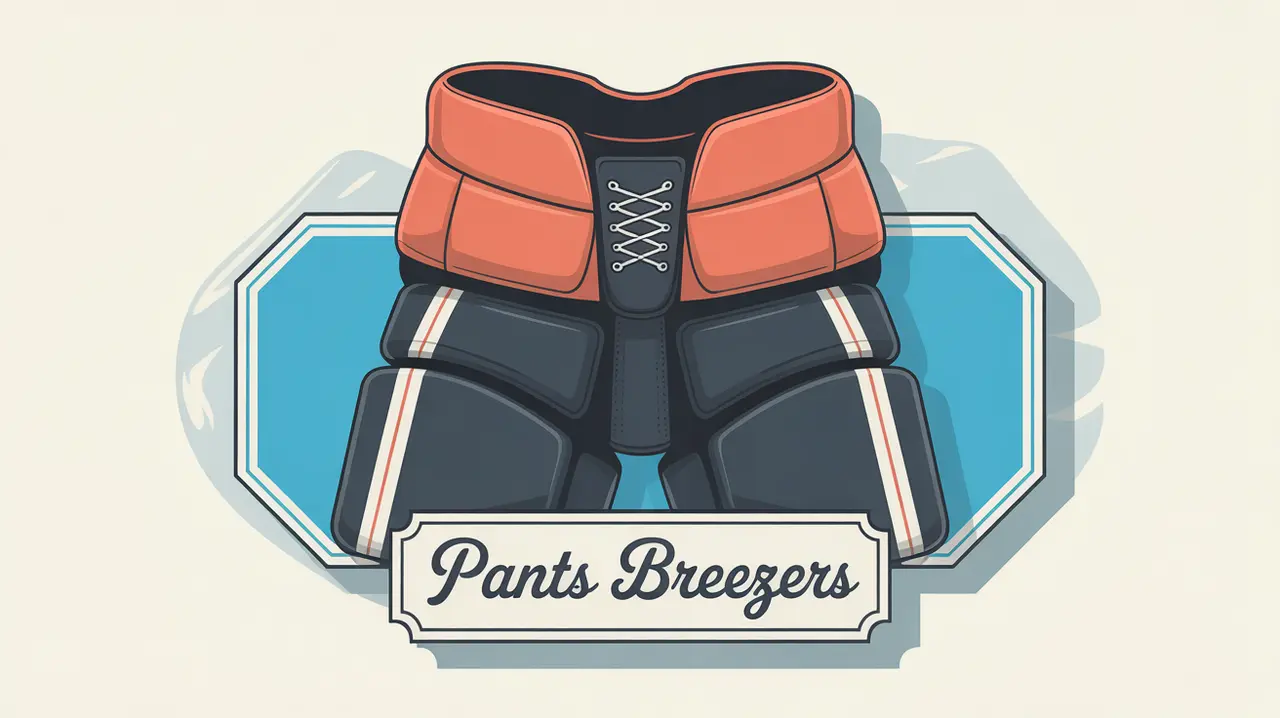
Hockey pants, often called breezers, protect the hips, thighs, tailbone, and lower spine from impacts and falls. They’re heavily padded yet flexible, built to handle collisions with boards, sticks, and ice without restricting movement. A good pair fits snugly around the waist, stays centered through strides, and overlaps cleanly with the shin guards and shoulder pads for full lower-body coverage.
How do they work?
Hockey pants use layered padding and a secure waist system to protect key areas while allowing mobility.
- Hip and Thigh Pads: Thick foam and plastic panels absorb checks, blocked shots, and falls.
- Tailbone and Spine Protection: A reinforced rear panel guards against backward falls and collisions.
- Waist Closure System: Belts and laces keep the pants snug and prevent shifting during play.
- Inner Lining: Wicks moisture and reduces friction for comfort and fit.
When they fit correctly, pants stay firmly in place, moving with the body through turns, pivots, and impacts.
How do you make good decisions with them?
Proper fit determines how well hockey pants protect and perform.
- Size: Pants should fit securely around the waist without sagging or squeezing.
- Length: The leg opening should overlap the top of the shin guards without bunching or leaving gaps.
- Protection Level: Heavier, more reinforced pants suit physical players and defensemen. Lighter models favor speed and agility.
- Waist Closure: Belts and laces should hold the pants firmly without constant readjustment.
- Condition: Check for cracked padding, torn seams, and worn belts. Compromised structure weakens protection.
How do you master them?
Players find their ideal pant setup through consistent wear and adjustment. Over time, they dial in how tightly to lace the waist, how to layer with base gear, and how to get the right overlap with shin guards. Once broken in, good pants feel supportive without being noticeable.
What does it look like when done right?
Well-fitted pants stay locked around the waist and hips during every stride and hit. Players bend, pivot, and take contact without hitching them up or feeling bulk. Coverage is smooth and continuous from the waist to the shin guards.
Commentator’s Corner
Jim’s Take
I’ve seen players skating with breezers hanging halfway down like they’re auditioning for a fashion show. Then the first hit comes, and reality sets in fast.
Parent Tip
Check fit with full gear on. Pants should overlap shin guards cleanly and stay secure when skating. A belt and lace combo usually gives the best hold.
Player Tip
Take time to tighten and adjust before every game. Loose pants shift mid-play, and that’s the last thing you want when taking a hit.
A Final Thought
Hockey pants may not get modeled at a fancy fashion show, but they diligently protect some of the most vulnerable parts of your body. Get the fit right, and they’ll give you both confidence and coverage every shift.