Jim’s Intro to Tape
Hi folks, Jim here, the only commentator who once ran out of tape before a game and had to borrow neon pink from a peewee team.
What is tape?
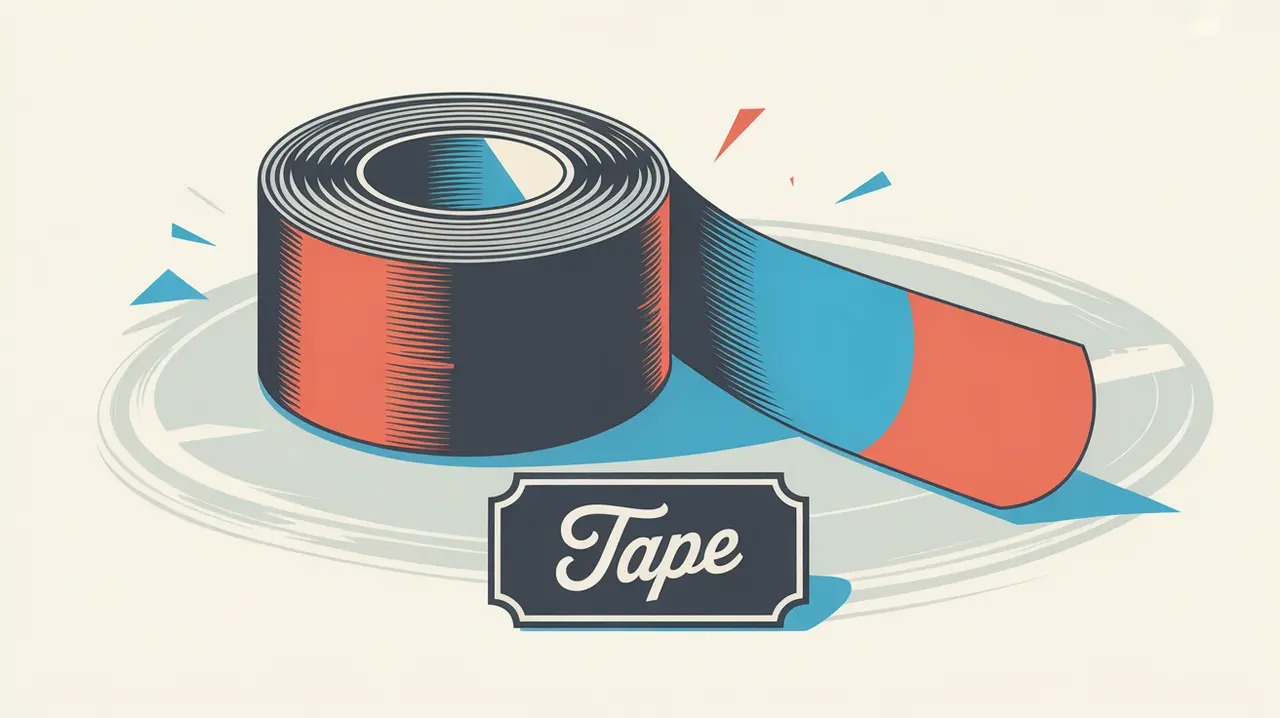
Tape is the unsung hero of hockey gear. It’s used to customize grip, protect equipment, improve puck control, and keep everything in place. Players wrap it around stick blades, shafts, knobs, shin guards, socks, and sometimes even gloves. There are two main types: cloth tape (for stick blades and grips) and clear sock tape (for securing shin guards and socks). A good tape job changes how gear performs.
How does it work?
Tape adds texture, structure, and protection wherever it’s applied.
- Stick Blade: Cloth tape improves puck control and shooting feel, protects the blade, and helps reduce vibrations.
- Shaft and Knob: Taping the handle gives players a better grip, helps with hand placement, and stops gloves from slipping.
- Shin Guards and Socks: Clear tape locks gear in place, preventing shifting during skating.
- Specialized Use: Goalies use tape to improve paddle grip, modify blocker handles, or adjust knob sizes for glove catching.
When applied well, tape integrates seamlessly into the equipment setup, enhancing both performance and comfort.
How do you make good decisions with it?
Good taping is about purpose, material, and method.
- Cloth vs. Clear: Use cloth tape for sticks; clear tape for socks and gear stability.
- Taping Style: Heel-to-toe wraps give better puck spin. Toe-to-heel may last longer. Handle knobs vary by player preference.
- Tension: Too tight can cut into gear or gloves; too loose unravels mid-shift.
- Color: Black or white are common for sticks (some say black hides the puck, others prefer white for visibility). Colorful tape is fine, but make sure it’s high quality.
- Maintenance: Retape blades regularly to avoid fraying that affects puck handling.
How do you master it?
Mastery comes from repetition and experimentation. Every player develops their own taping routine, from blade style, knob shape, number of wraps, and even how far up the shaft they tape. Over time, taping becomes part of the pregame rhythm, tailored exactly to personal feel and performance needs.
What does it look like when done right?
A clean tape job is tight, smooth, and purposeful. The blade looks crisp with no loose ends. Knobs are consistent, grips are secure, and shin guards stay locked through every stride. Nothing peels, shifts, or distracts during play.
Commentator’s Corner
Jim’s Take
I’ve seen players wrap tape like they’re mummifying their stick and others use three inches and call it a day. Find your style, and your gear will thank you.
Parent Tip
Stock up on both cloth and clear tape. Cheap tape unravels fast. Teaching players a solid taping routine early builds good habits.
Player Tip
Experiment until you find what works. Blade feel and grip are personal. Once you lock in your taping style, make it part of your pregame ritual.
A Final Thought
Tape might seem simple, but it shapes how your gear feels and performs. A great tape job is part of the craft of playing hockey.