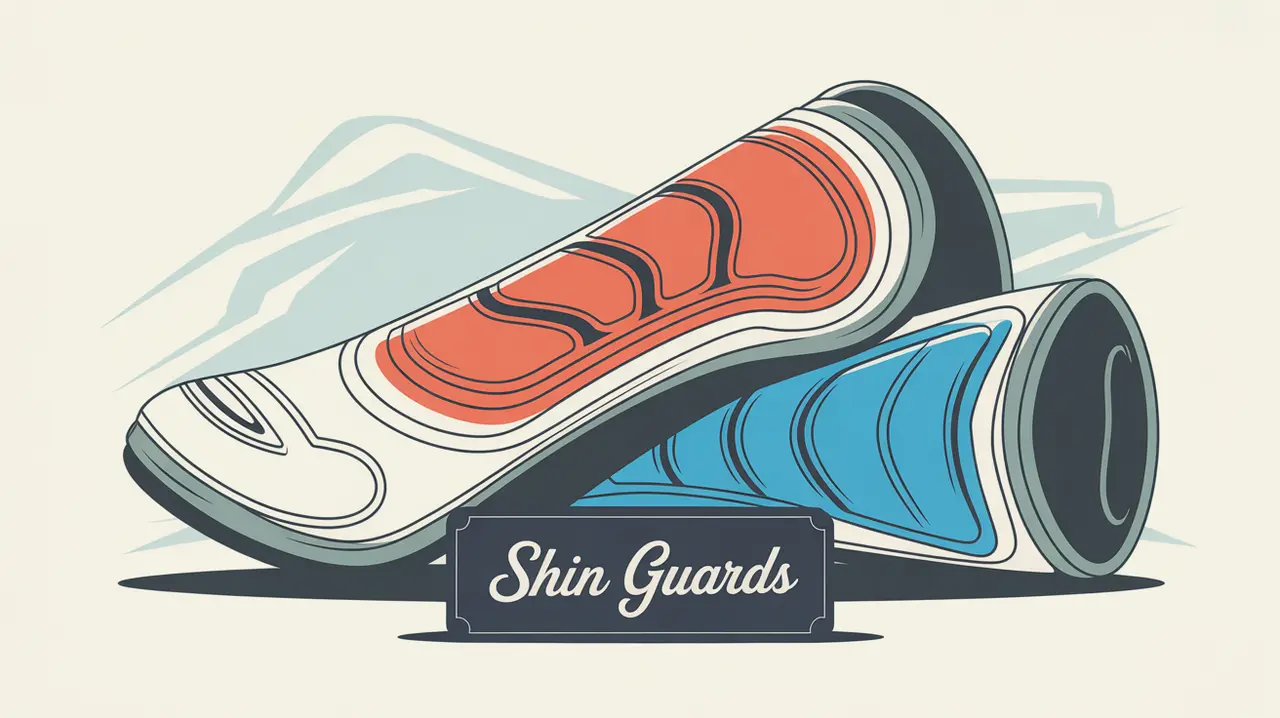
Jim’s Intro to Shin Guards
Hi folks, Jim here, the only commentator who once blocked a shot in recreational league wearing the wrong size shin guards. Let’s just say the bruise had its own fan club. Time to set the record straight.
What are shin guards?
Shin guards protect the front of the lower leg and knees from pucks, sticks, and collisions. They run from just above the ankle to above the knee, shielding two areas that take constant abuse. Good shin guards fit snugly, stay in place, and give players confidence to block shots, battle along the boards, and absorb the inevitable knocks that come with the game.
How do they work?
Shin guards combine hard shells, soft liners, and secure strapping to protect the leg.
- Knee Cap: A rounded hard shell that fits over the knee to absorb direct impacts and prevent hyperextension.
- Shin Shell: A hard plastic panel that disperses puck and stick impacts along the shin.
- Inner Padding: Cushions the leg and keeps the guard from shifting.
- Straps: Anchor the guard around the calf and knee to hold everything in place.
When properly fitted, shin guards work as a single unit with the skate tongue and socks, staying aligned through every stride and stop.
How do you make good decisions with them?
Shin guards that fit poorly can cause rubbing, sliding, or exposed gaps.
- Length: Guards should extend from just above the ankle to a couple of inches above the kneecap, overlapping with hockey pants without pushing into them.
- Knee Fit: The knee should sit naturally in the cup without sliding around.
- Straps: Snug enough to prevent movement but not so tight that circulation is restricted.
- Profile: Shot-blocking defensemen often prefer bulkier, more reinforced guards, while speed-focused players may choose lighter, tapered models.
- Condition: Cracks in the shell or worn straps compromise protection.
How do you master them?
Players dial in shin guards through habit and fine adjustments. Over time, they find the strap tension, sock wrap, and pant overlap that keep the guards stable. Some tape over the top to lock everything down. The goal is to skate and block shots without ever thinking about them.
What does it look like when done right?
Well-fitted shin guards stay locked through stops, starts, and hard impacts. Players kneel to block shots with confidence. Movement stays smooth, with no sliding, rattling, or chafing.
Commentator’s Corner
Jim’s Take
I’ve seen players take slapshots off their shins like it’s nothing, and I’ve seen others wear guards so loose they spin like windmills on impact. Guess who walks off limping.
Parent Tip
Make sure the knee sits properly in the cup and the length matches the player’s leg. Tape or compression sleeves can help keep guards stable during play.
Player Tip
Take the time to strap and tape your shin guards the same way every game. Consistency prevents surprises when you’re blocking shots.
A Final Thought
A good pair of shin guards turns painful moments into routine plays. Get them right, and your legs will thank you every game.