Jim’s Intro to Fighting
Hi folks, Jim here, the only commentator who once had a fight with a door and lost three times.
What is fighting?
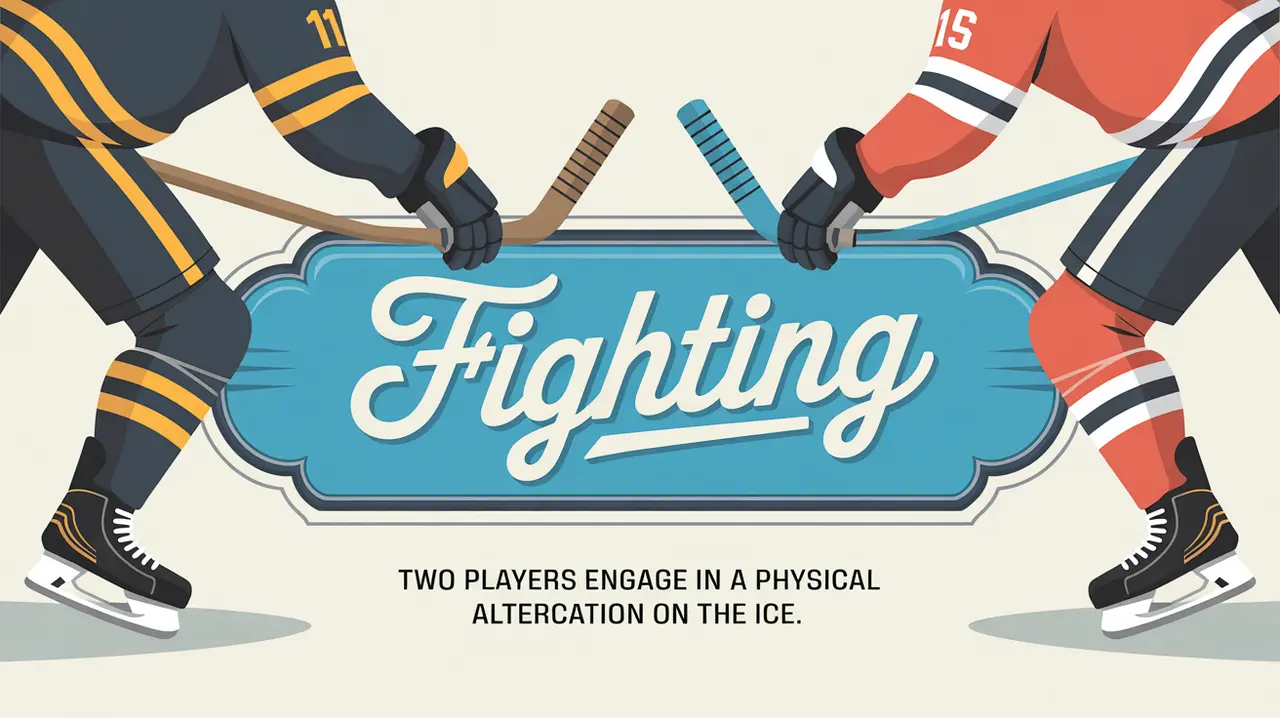
Fighting occurs when two players drop their gloves and engage in a physical altercation. While technically against the rules, it has historically been treated differently from most penalties, particularly in some professional leagues where it has cultural roots tied to emotion, intimidation, and self-policing.
Today, fighting is strictly penalized at youth and amateur levels, often leading to automatic ejections and supplemental discipline. The role of fighting in hockey is diminishing across the sport.
How does it work?
At the professional level, fighting follows both written rules and unwritten codes, but officials regulate it closely:
- Players may agree to fight, drop gloves, and square up.
- Officials monitor and intervene once the fight ends or becomes unsafe.
- Both players receive five-minute majors, and extra penalties can apply for instigating or timing violations.
- Equal penalties mean no power play, but dangerous or late-game fights can lead to suspensions.
Why does it happen?
Fighting still occurs at higher levels for a few reasons:
- Retaliation for dangerous hits
- Momentum swings during sluggish games
- Lingering rivalries between players or teams
- Scrums escalating emotionally
That said, leagues at all levels are taking stronger steps to limit fighting and prioritize player safety.
How do you make good decisions with it?
- Youth and Amateur Players: Do not fight. It leads to immediate ejection, suspensions, and disciplinary action.
- Older Competitive Levels: Know the rules, consequences, and risks. Instigator penalties can hurt your team more than they help.
- All Levels: Emotional control and discipline matter far more than dropping gloves.
How do you master it?
There’s no mastering fighting at developmental levels, because it shouldn’t happen. What players can master is composure, physical play within the rules, and smart body contact. At professional levels where fighting still occurs, experienced players know when to walk away and how to avoid unnecessary penalties.
What does it look like when handled responsibly?
Responsible handling means de-escalating where possible, understanding the rules, and prioritizing safety. Teams that channel emotion into disciplined play often gain the real edge without trading punches.
Commentator’s Corner
Jim’s Take
I’ve seen fights wake up an arena, and I’ve seen them derail tight games. These days, discipline beats bravado every time.
Parent Tip
For younger players, emphasize respect, emotional control, and playing within the rules. Fighting has no place at youth levels.
Player Tip
Learn to play tough, not reckless. Control your emotions, protect yourself, and understand the consequences.
A Final Thought
Fighting is part of hockey’s past, not its future. The modern game values skill, speed, and discipline. Knowing the rules and staying composed under pressure will help players far more than throwing punches ever could.