Jim’s Intro to Rebound Control
Hi folks, Jim here, the only commentator who once kicked out a rebound so perfectly it turned into a breakawayfor the other team.
What is rebound control?
Rebound control is a goaltender’s ability to manage where the puck goes after making a save. Instead of leaving juicy second chances in front of the net, goalies use technique and positioning to either smother the puck or direct it to safe areas.
How does it work?
Rebound control relies on angles, body position, and deliberate redirection:
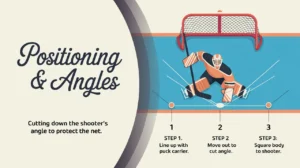
- Square Positioning: Shots hit you in controlled spots when you’re lined up correctly.
- Absorb with the Chest: On direct shots, use the chest protector to trap and freeze the puck.
- Angle with Pads and Stick: Tilt pads and stick to deflect pucks into corners or behind the net.
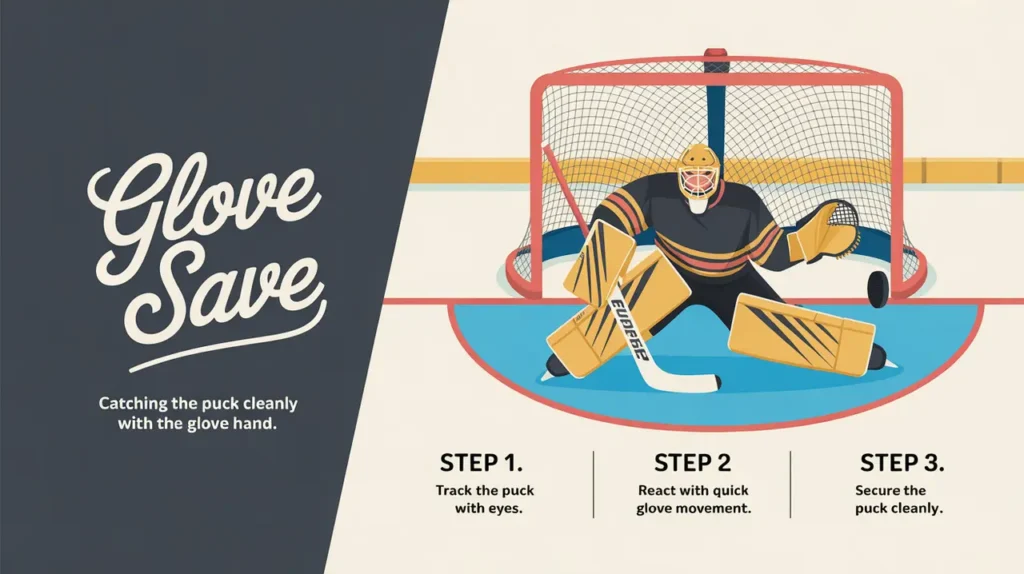
- Glove or Blocker Control: Catch cleanly when possible or guide the puck away intentionally.
- Soft Hands and Core: Stay relaxed enough to absorb impact without wild bounces.
- Quick Recovery: After the initial save, be ready to move for second or third attempts.
How do you make good decisions with it?
- Know the Situation: Freeze pucks in traffic; steer pucks away when your defense has support.
- Avoid Kicking to the Slot: Angle rebounds to the boards or corners, not prime scoring areas.
- Read Shot Type: Hard shots might need steering, while slower ones can be smothered.
- Communicate: Let defenders know where the rebound’s going to avoid confusion.
- Control Pace: A good freeze can give your team a breather when needed.
How do you master it?
Mastering rebound control takes focused drilling, strong core stability, and smart technique. Goalies work on directing pucks off different body parts, catching cleanly under pressure, and deciding when to cover versus steer.
What does it look like when done right?
Excellent rebound control looks calm and calculated. The puck hits the goalie, drops harmlessly into their glove, or angles softly to the boards, leaving attackers frustrated and defenders in control.
Commentator’s Corner
Jim’s Take
Good rebound control is like putting the puck on a leash. It goes where you want, not where chaos wants.
Parent Tip
Encourage goalies to focus on angles and soft hands early. Rebound control builds confidence for the whole team.
Player Tip
Goalies, own your rebounds. Shooters, hunt them smartly. Goalies who control rebounds give you little to work with.
A Final Thought
Rebound control turns saves into possession. Master it, and you’ll eliminate second chances, settle your defense, and control the rhythm of the game.