Jim’s Intro to Neutral Zone Play
Hi folks, Jim here, the only commentator who once shouted, “I love the Pointer Sisters!” over the PA system and broke into “I’m just burnin’, doin’ the neutron dance,” when asked to explain neutral zone play.
What is neutral zone play?
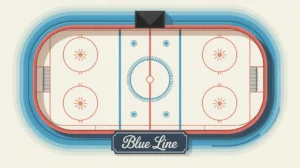
Neutral zone play is how teams control the space and flow of the game between the blue lines. It’s where transition battles happen, breakouts succeed or stall, and rushes either build or fizzle. Strong neutral zone play shapes the tempo, denies clean entries, and sets up offensive opportunities.
How does it work?
Neutral zone play revolves around positioning, structure, and quick reads:
- Puck Management: Teams make smart passes, controlled carries, or tactical dumps to maintain momentum.
- Gap Control: Defensemen step up to limit time and space for attackers entering the zone.
- Layered Coverage: Forwards track back to pressure puck carriers, while defenders hold structured lines.
- Forecheck Pressure: Neutral zone forechecks (like 1-2-2 or 1-3-1) clog passing lanes and force turnovers.
- Speed Through the Zone: Offensively, quick puck movement and timing create clean entries.
- Counterattacks: Turnovers here are gold. Fast transitions often catch teams off guard.
How do you make good decisions with it?
- Read the Ice Constantly: The neutral zone changes fast. Keep your head up.
- Value Possession: Unforced turnovers here lead to dangerous counterattacks.
- Control Speed and Timing: Rushing too early or too slowly breaks formations.
- Support the Puck: Teammates should fill lanes and give outlets through the middle and along the boards.
- Adjust to Systems: Recognize the opponent’s forecheck and exploit weak spots.
How do you master it?
Mastering neutral zone play is about structure, patience, and anticipation. Teams drill forecheck formations, transition patterns, and regroup plays until everyone knows their reads. Players learn to skate with purpose, close gaps defensively, and execute clean, quick decisions offensively.
What does it look like when done right?
When neutral zone play clicks, the game looks controlled but dangerous. Offensively, the puck moves smoothly through layers, leading to clean zone entries. Defensively, attackers are funneled into low-danger areas, turnovers are forced, and rushes die at center ice.
Commentator’s Corner
Jim’s Take
The neutral zone is like rush hour traffic. Control the lanes, and you own the road. Lose structure, and it’s chaos.
Parent Tip
Watch how often turnovers happen between the blue lines. Strong neutral zone habits separate good teams from great ones.
Player Tip
Be deliberate with every touch. Smart positioning and quick decisions make this zone yours.
A Final Thought
Neutral zone play isn’t glamorous, but it’s where games are won or lost. Master this middle ground, and you control both ends of the rink.